

Routine bed rest after embryo transfer is not recommended. Major fertility societies and recent meta-analyses agree that lying still for extended periods does not raise your chances of pregnancy, and some studies even point to lower live birth rates among patients who rested strictly. We recommend following your own clinic’s instructions and treating light, normal activity as safe.
TL;DR:
- A review of five randomized trials involving 1,002 women found no significant differences in clinical pregnancy, live birth, miscarriage, or implantation between rest and activity.
- ASRM cites Grade A evidence against routine bed rest; protocols ranged from minutes to over 24 hours, and individual trials were small.
- Follow your clinic’s specific activity advice when ovarian hyperstimulation, enlarged ovaries, recent surgery, bleeding risks, anticoagulant use, or transfer complications apply.
- Light housework and comfortable walks are generally acceptable, but avoid heavy lifting, vigorous exercise, and contact sports; ask your clinic about intercourse and travel.
- Call your clinic urgently for heavy bleeding, severe pelvic pain, or fever above 100.4°F; seek emergency care for chest pain or shortness of breath.
Table of Contents
- What the research says about rest after embryo transfer
- Why clinic instructions on activity can vary
- What to actually do during the two-week wait
- Warning signs that need prompt attention
- How researchers measure success and why it matters
- Our take on evidence versus instinct during the wait
- FAQ
- Sources
What the research says about rest after embryo transfer
The question of whether to rest after embryo transfer has been studied directly, and the results are consistent across multiple reviews. A systematic review and meta-analysis covering five randomized controlled trials and 1,002 women found no significant difference in clinical pregnancy, live birth, ongoing pregnancy, miscarriage, or implantation rates between women who rested and women who resumed activity right away.
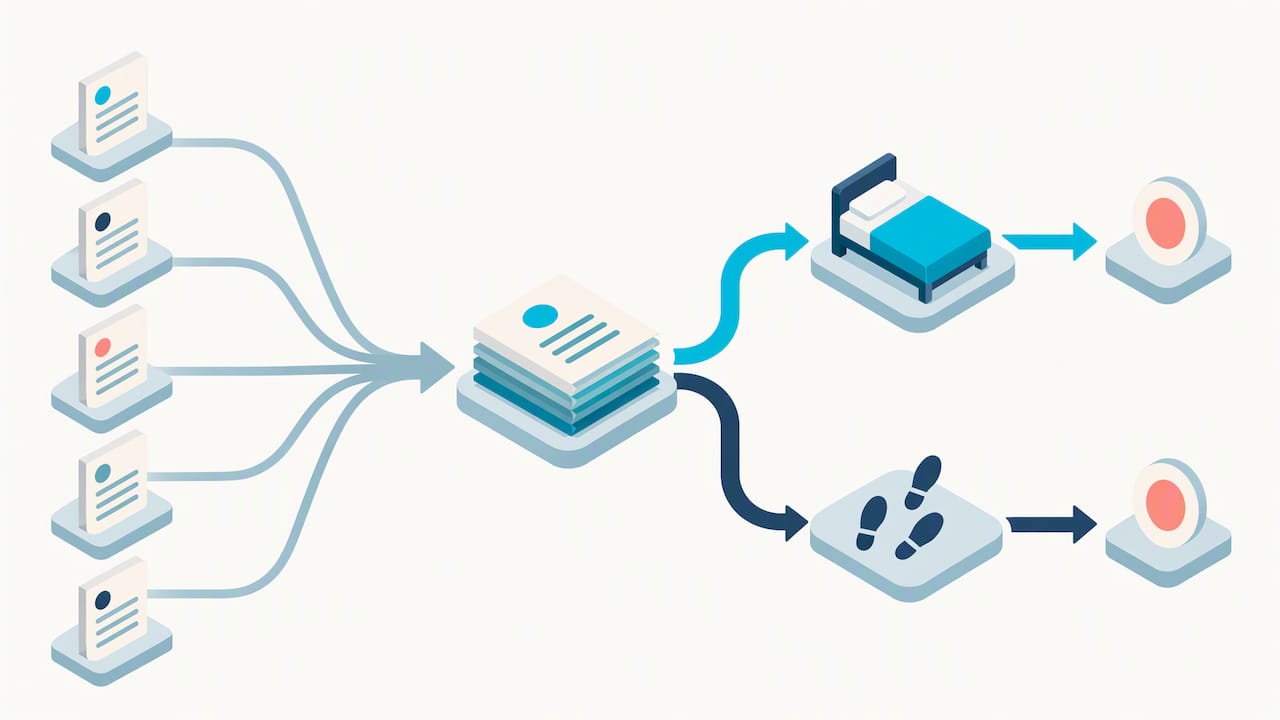
Some data suggest bed rest may actually work against you. A pooled analysis in one systematic review found lower live-birth rates among patients prescribed bed rest compared with those who mobilized immediately. One well-designed randomized trial of first-time IVF patients reported higher live-birth rates with immediate ambulation than with a short period of bed rest.
Clinical practice guidance now reflects this evidence directly. The ASRM practice guideline states there is good evidence, graded A, against recommending routine bed rest after embryo transfer.
A few points help explain why the evidence looks this way:
- Study designs vary widely, with rest periods ranging from a few minutes to 24 hours or longer, which creates some heterogeneity in results.
- Outcome measures differ between trials, including implantation rate, clinical pregnancy, and live birth, making direct comparisons imperfect.
- Trial sizes are modest by medical research standards, so individual studies carry less weight than the combined analyses.
Taken together, the trials and guidelines point the same direction: resting in bed does not help, and insisting on it may add stress without any upside.
Why clinic instructions on activity can vary
Most clinics follow a similar basic pattern: a short period of lying flat right after the transfer procedure, followed by a return to light activity the same day. This is a far cry from the days-long bed rest some patients still expect.
That said, instructions are not identical everywhere, and for good reason. Your own care team knows details about your cycle that general guidance cannot account for.
- Ovarian hyperstimulation syndrome can call for extra caution around activity and hydration.
- Recent surgical procedures, such as a hysteroscopy close to transfer, may warrant a brief adjustment period.
- Large ovarian cysts or enlarged ovaries from stimulation raise the real risk of ovarian torsion, which is a physical concern distinct from any theoretical embryo displacement.
- Bleeding disorders or anticoagulant use may shift what counts as safe activity for you specifically.
- Procedural complications during the transfer itself, such as difficulty with catheter placement, might prompt a more cautious plan.
If your clinic gives you instructions that differ from general guidance, follow theirs. They are tailored to your situation, and asking a clarifying question before you leave the clinic is always reasonable.
What to actually do during the two-week wait
On transfer day, you can expect a short period lying down in the clinic while staff check that you feel well, followed by a normal ride home. Strict bed rest once you’re home is not necessary. Here is a practical breakdown of what fits into daily life during the wait:
- Light housework is fine. Cooking, folding laundry, and tidying up do not pose a risk; save heavy lifting, intense bending, or jarring movements for later in the cycle.
- Gentle movement helps more than it hurts. Walking at a comfortable pace and light stretching are generally safe; hold off on vigorous cardio, heavy resistance training, or contact sports until your clinic gives the go-ahead.
- Intimacy follows your clinic’s specific guidance. Many clinics advise avoiding intercourse until after the pregnancy test or for a short defined window, so check what yours recommends.
- Work and travel usually continue as normal. Most patients return to their regular jobs if they feel comfortable doing so, though high-risk travel or physically demanding work is worth postponing until you’re cleared.
- Supportive habits matter more than restriction. Taking luteal phase medications on schedule, staying hydrated, and prioritizing sleep all support your body through the wait; for more on fertility support, consider reviewing the best supplements for fertility. Our luteal phase support guidance covers medication adherence in more detail.
Pro Tip: Keep your daily routine close to normal, but treat it as a good two weeks to skip the gym’s heaviest lifts and the weekend’s most intense hike.
Warning signs that need prompt attention
Mild spotting and light cramping are common after embryo transfer and usually nothing to worry about. A short list of symptoms, though, should prompt a call to your clinic right away:
- Heavy vaginal bleeding, such as soaking a pad within an hour.
- Sudden, severe abdominal or pelvic pain.
- A fever above 100.4°F (38°C).
- Signs of a blood clot, including one-sided calf swelling or tenderness.
- Chest pain or shortness of breath.
Call your clinic’s urgent line first if one is available, since your team already knows your cycle and recent history. Go to the emergency room for severe symptoms or whenever your clinic tells you to.
How researchers measure success and why it matters
Live birth is the outcome that matters most to patients, and it’s also the endpoint researchers trust most when judging whether bed rest helps or hurts. Earlier markers, like implantation or a positive pregnancy test, can shift without ever resulting in a baby, so leaning on live-birth data gives a clearer answer.
One randomized trial found a notably higher live-birth rate with immediate ambulation than after a short period of bed rest, a difference that was statistically significant in that study. Pooled results across other trials show smaller or non-significant differences, which is typical when studies vary in rest duration and how they define success.
A few factors shape how to read this body of work:
- Heterogeneity across trials, including rest periods from minutes to over a day, limits how precisely results can be combined.
- Smaller sample sizes in individual trials mean meta-analyses carry more weight than any single study.
- Modern transfer techniques, including ultrasound guidance and soft catheters, have reduced the physical risk of embryo displacement that once made bed rest seem logical, which is part of why guidance has shifted toward normal activity.
Our take on evidence versus instinct during the wait
We built our recommendations around what the evidence actually shows, not around old habits that felt protective but never had data behind them. The instinct to lie still after something this important feels natural, but the research is clear that it doesn’t change your outcome, and for some patients it may add stress without any benefit.
Supporting you through the two-week wait is a core part of what we do, and that means matching advice to your actual medical picture rather than a one-size-fits-all rule. If a question comes up about what’s safe for you specifically, reach out to your care team directly rather than guessing from general guidance.
— Barbados
This article is general information, not a substitute for advice from a qualified doctor. Consult a qualified healthcare professional about your own circumstances before acting on anything here.
FAQ
Can I do housework after embryo transfer?
Yes, light housework such as cooking, tidying, and laundry is generally safe after embryo transfer. Avoid heavy lifting, intense bending, or jarring movements for a short period, and check with your clinic if you’re unsure about a specific task.
Is egg retrieval the worst part of IVF?
Many patients find egg retrieval more physically demanding than embryo transfer because it involves sedation and a minor surgical procedure, while transfer is typically quick and painless. Experiences vary widely, and your clinic team can walk you through what to expect at each stage.
How can I help my embryo attach to the uterus?
There’s no proven activity or position that improves implantation beyond what your clinic’s protocol already provides, including appropriate luteal phase support. Taking prescribed medications on schedule, staying hydrated, and avoiding unnecessary strenuous activity are the most evidence-supported steps you can take.
Is bed rest required in the first trimester after IVF?
No, bed rest is not required in the first trimester after IVF for most patients. Activity recommendations depend on your individual medical history, so follow your clinic’s specific guidance rather than a general rule.
Sources
- Live Birth Rate Following Bed Rest Versus Early Mobilization After Embryo Transfer: A Systematic Review And Meta-Analysis
- Bed rest after an embryo transfer: a systematic review and meta-analysis
- Performing the embryo transfer: practice guideline (ASRM)
Recommended
- IVF Patients: Evidence First Luteal Phase Support and JCI Clinic Plan
- Donated Embryo Characteristics
- Embryo Options Payments with Barbados Fertility Centre